Moves are rarely about cardboard and tape. They are about trust, timing, and the practical know-how that keeps your couch from scraping the stairwell and your closing date from turning into a crisis. After years of coordinating residential and commercial moves around Laurel and its neighboring corridors, I’ve learned that the difference between a strained move and a smooth one often comes down to the people handling it. That is where local movers in Laurel shine.
Laurel sits at a kind of crossroads. It stretches between Washington and Baltimore, touches multiple counties, and carries a unique mix of townhome communities, older single-family houses, new construction, and compact apartment complexes near transit hubs. It also has quirks that out-of-area crews often underestimate: weekday traffic patterns that change block to block, HOA rules on loading zones that vary by community, and elevator schedules that can derail a tight timetable. When you hire experienced local movers in Laurel, you get more than a truck and a team. You get people who know how to navigate those quirks before they turn into delays.
The real advantages of going local
Local movers Laurel residents trust bring a different level of awareness to the job. They already know that morning pickups on Route 1 need a buffer for school drop-offs. They expect security gate codes to change in certain communities every quarter. They pack for short, steep townhome staircases and low-clearance garden-style apartment breezeways. This practical intelligence does not show up on a quote, yet it keeps your schedule intact.
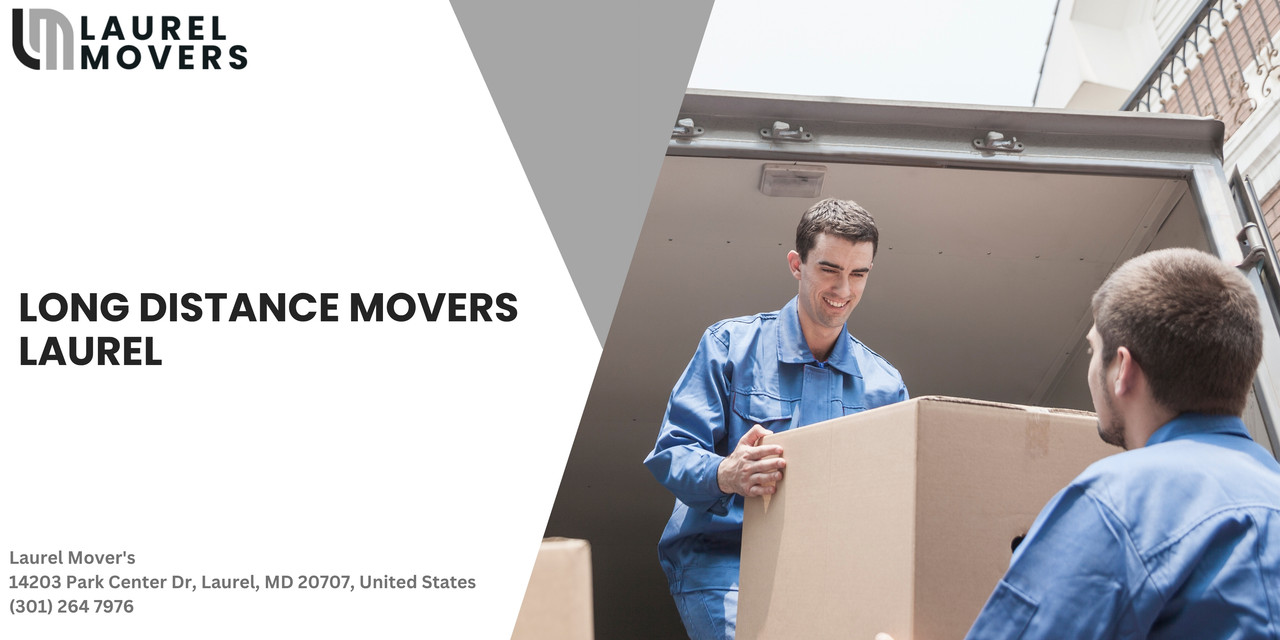
Another quiet advantage is accountability. Laurel moving companies live and die by reputation within a 10 to 15 mile radius. They see the same property managers, Realtors, and storage facility staff every month. If something goes wrong, they have to fix it because they will see those faces again. That feedback loop squeezes out the sloppiness you sometimes find with crews dispatched from far away who will never set foot in your neighborhood again.
Price is not the only reason to hire local, but it matters. Fewer deadhead miles means fewer fuel charges. A truck that does not waste an hour on an unfamiliar detour is a truck that unloads before your elevator reservation expires. Over dozens of moves, I’ve seen local teams finish two-bedroom apartments in Laurel a full hour faster than non-local crews, simply because they planned the load for the building’s layout and timed parking perfectly. That time saves you money.
The routes and the realities that shape your move
A move is a choreography of constraints. In Laurel, those constraints start with logistics. The main arteries, I-95 and the BW Parkway, behave differently depending on the day and whether there is a game, a federal event, or road work south toward the Beltway. Route 198 can bog down near Fort Meade during base shift changes. A crew that knows these patterns can load early, take the smarter route, and arrive during your building’s open window.
Then there are building rules. Some apartment complexes in Laurel cap elevator usage at two hours per unit. Townhome communities prohibit blocking fire lanes, even for a quick unload. Local crews arrive with a game plan: cones for temporary loading zones, ramps sized for narrow walkways, and a secondary parking strategy if the prime spot is taken. When you schedule with Laurel moving companies, ask how they handle parking permits at your exact address. The stronger ones will rattle off what the HOA or city requires and whether they need your help to secure it.
Weather is a final factor. Laurel summers can be punishingly humid, which affects worker stamina and the integrity of certain items. Winters bring ice pockets in shaded cul-de-sacs that linger even when main roads are clear. Local movers carry floor protection for wet days and plan for heat breaks in July. It sounds like a small detail until a slippery entry costs you a scuffed hardwood or a dropped dresser. The best local teams build safety into the schedule so there is cushion without losing momentum.
Service mix: local, long distance, and hybrid moves
Not every move within Laurel is strictly “local,” and not every out-of-state move requires a national carrier. The line is more nuanced. A local move usually means the crew picks up and delivers within the same day, inside a defined radius. That suits most apartments, townhomes, and single-family homes moving within a 30 to 50 mile area. For in-town relocations, Local movers Laurel families use day after day typically charge an hourly rate that includes the truck, labor, standard equipment, and basic valuation coverage.
Long distance movers Laurel residents hire take on interstate or multi-day routes. They price by weight or by a guaranteed flat rate based on an inventory list, often with more formal paperwork and firm delivery windows. If you are heading to North Carolina, western Pennsylvania, or farther along the East Coast, the long distance model makes sense, especially if you want your shipment sealed and tracked from door to door.
There is also a hybrid option that local companies handle well: a partial long distance move where a local crew performs a professional pack and load, then hands off to a linehaul partner for the highway miles, followed by a destination crew. This model saves money while preserving quality, as long as the handoffs are documented and the chain of custody is clear. I have seen Laurel moving companies use color-coded labeling, tamper-evident seals on vaults, and shared inventory apps to keep these handoffs tight.
What local expertise looks like on moving day
It’s easy to promise “white-glove service.” Watching a seasoned Laurel crew in action is more instructive. They map the space before the first dolly roll, noting tight turns and measuring the path for your largest pieces. They pad-wrap at the door, not just on the truck, to avoid marks on stair rails and entry walls. They set up an assembly zone in the new place where parts, hardware, and tools live until everything is rebuilt.
Good loaders work like Tetris champions. They stack by weight and crush resistance, protect corners with moving blankets and hard plastic guards, and strap tiers so nothing shifts on a sudden stop along I-95. They stage fragile items on a separate cart and keep them toward the truck’s nose, away from bouncing ramps. On multi-stop jobs, they partition the truck with load bars and assign each stop a colored tape. One well-run move I observed to Russett used blue for the first floor, green for the second, and orange for garage items, which cut unloading confusion dramatically.
When a problem crops up, local knowledge pays again. If an oversized sectional will not fit up a narrow townhouse stair, an experienced Laurel team knows which banister section can be safely unbolted, how to protect the finish, and how to reattach it quickly. They’ve done that maneuver in the same style of home. A non-local team might force it and scrape a wall, costing you time and repair money.
Cost drivers you can control
Most people ask for a ballpark price on a move without understanding the levers that make it swing. The three biggest drivers are time, complexity, and access.
Time is straightforward. Hourly rates cover a set number of crew members and a truck, usually with a minimum. If your job needs more hands to finish within a building’s elevator window, adding another mover can be cheaper than paying overtime for a slow unload. I often recommend a fourth mover for three-bedroom townhomes with stairs. The extra pair keeps the rotation fresh and reduces dwell time at the truck.
Complexity comes from the mix of items and the need for special handling. Glass-front hutches, treadmills, grandfather clocks, gun safes, and upright pianos each add steps. Proper prep prevents damage. A local company that owns the right gear saves you from last-minute rental fees. They may bring a piano board, safe skates, or stair climbing dollies. If a crew shows up without these and improvises, you pay in risk.
Access includes parking distance to your door, stair count, elevator booking, and long carries through hallways. The difference between a 25-foot carry and a 150-foot carry is not trivial. If you can reserve a loading spot or move your vehicles to open space for the truck, do it. That single change can shave 30 to 45 minutes off a mid-size move.
When to book and how to schedule wisely
Laurel’s peak moving days cluster around the first and last weeks of each month, with Saturdays in the summer often sold out weeks in advance. If you can, choose a mid-week, mid-month morning start. Trucks and crews are fresher, traffic is lighter, and you have breathing room if something runs long.
Give your mover the constraints upfront. Share your building’s elevator reservation times, any HOA quiet hours, and the narrowest doorway measurements. If you are changing schools or utilities the same day, plan your move to land well before those appointments. A small schedule mismatch can ripple into stress later, like a gas company window missed because unloading ran over.
For long distance movers Laurel residents should expect longer lead times. Prime summer slots fill early. If you have a fixed closing date, reserve your load date as soon as your date firm up. Ask about delivery spread and whether you can tighten it for a fee. If your destination building imposes weekday only deliveries, align that with the carrier’s routing plan to avoid storage-in-transit charges.
Insurance, valuation, and what protection really means
Every reputable mover must provide basic valuation coverage, which limits recovery by weight. It is not insurance in the usual sense. If your 50-inch TV weighs 35 pounds, basic coverage at 60 cents per pound yields a payout that would not replace the screen. Expect to sign for this or to upgrade.
Replacement valuation is the upgrade that most homeowners actually want. It raises the carrier’s liability to the declared value of your shipment, sometimes with deductibles. For high-value items, ask the mover about itemized high-value inventory forms and any special packaging requirements to keep coverage intact. Local movers in Laurel who do long-distance work regularly will explain these options clearly and pair them with best practices, like custom-crating artwork or double-boxing electronics. Do not skip the formality. If a claim arises, tidy paperwork speeds resolution.
If you already carry a homeowners or renters policy, ask your agent about move-day coverage. Some policies cover named perils during transport, others exclude moving damage. The answer varies by carrier. Knowing ahead of time lets you choose the right valuation level with the mover.
Choosing among Laurel moving companies without getting burned
Price shopping is normal. Choosing by price alone often backfires. There is a pattern to fair quotes and a smell test for the rest. A professional estimate starts with a thorough inventory or an in-home/virtual survey where the estimator asks detailed questions. They will not accept “just a one-bedroom” as enough information because the content matters. They will ask about stairs, elevator reservations, parking, special items, and packing needs.
Watch for deposits. Reasonable deposits exist to secure a date and are generally modest compared to the total. If someone insists on a large cash deposit or a non-refundable fee before they even see your inventory, proceed carefully. Look for clear terms, state registration numbers, and proof of insurance. For interstate moves, the company should have a USDOT number and MC operating authority that you can verify.
The best reference is often your neighborhood. Ask your Realtor, property manager, or neighbors which local movers Laurel trusts. These folks see the outcomes weekly and will steer you away from chronic no-shows or slow crews. Short online reviews can help, but I give more weight to specific stories than to star counts. A review that mentions how a mover handled a problem is more valuable than a generic five stars.
Packing: when to do it yourself and when to hand it off
Packing is where people try to save money and sometimes lose it faster than they think. If you have time and steady hands, self-packing works for books, clothing, linens, and pantry items. The breakables are different. I have watched seasoned pros pack a full kitchen safely in three to five hours. A first-time packer may spend a weekend and still under-cushion the china.
If you are budget-sensitive, consider a split approach. Ask your mover for a partial pack limited to the kitchen, framed art, and fragile décor. Buy the same-grade boxes and tape the movers use so stacks do not collapse. The difference between a firm double-walled dish barrel and a soft big-box special shows up when a bumpy road tests it.
Labeling is the quiet hero of unpacking. If your boxes say “Kitchen - Upper Left of Stove” instead of just “Kitchen,” your unpack speed doubles. Local crews are more likely to read and honor those labels because they are unloading in layouts they have seen before. If two bedrooms have identical carpet and paint, they will ask which one is “Blue Room” or “Office,” which preserves your system.
Special items: pianos, safes, aquariums, and athletic equipment
Every move has at least one wild card item that needs extra thought. Upright pianos are manageable with the right tools and three to four strong movers. Baby grands require disassembly, wrapping, a piano board, and a clean path. I advise clients to share model details so the mover can confirm the right plan. Gun safes demand weight-rated equipment and sometimes an extra crew member for stairs. Aquariums should be drained with livestock separately housed; do not leave substrate wet inside, as it shifts and cracks glass under vibration. Treadmills benefit from partial disassembly and their own bolts bag. These are the details a seasoned Laurel team handles without fuss because they keep the right tools on the truck.
If you are heading out of state, talk to long distance movers Laurel customers recommend about climate considerations for these items. For instance, a winter move north may require extra padding layers and a truck staging plan that avoids prolonged freezing for sensitive electronics.
Storage and staging between homes
Not every move lines up cleanly. If your closing dates do not match, short-term storage can keep your life from living out of a car. Local companies often maintain secure warehouses with vaults that hold your inventory without it being handled multiple times. The crew loads your goods into wooden vaults at your home or on the truck, seals them, and stores the vaults until delivery. Fewer touches mean fewer chances for damage.
If you plan to stage your home for sale, a partial move can work well. Move out off-season gear, bulky furniture, or half your books to clear visual weight. A Laurel mover who knows the local real estate rhythms can suggest a sequencing that keeps you functional without sacrificing show appeal. I have seen a three-phase plan reduce total stress dramatically: stage, close, then final move, all with the same team.
Small moves, big stakes
Studio apartments and small one-bedrooms can lull people into thinking a DIY move will be easy. The trap is in the details. Elevators booked back-to-back, street parking with two-hour limits, and building rules are unforgiving. A local crew that shows up on time, loads in one pass, and clears the elevator before the next slot is not a luxury, it is insurance against fines and friction with building management.
On the flip side, if you truly have a micro-move with a handful of large items, some Laurel moving companies offer small-load options or hourly minimums that make financial sense. Ask about a two-person team for two hours if your inventory is limited. A professional can still pad-wrap, protect floors, and move faster and more safely than friends with pickups.
How to prepare your home so movers can focus on the heavy lifting
Here is a short checklist that consistently makes moves smoother and cheaper:
- Reserve elevators, loading docks, and parking in writing, and share the times with your mover. Disconnect appliances the day before, drain hoses, and defrost freezers if needed. Consolidate small loose items into boxes, and label by room and priority. Set aside a “day-of” kit with keys, remotes, chargers, meds, and documents you will carry yourself. Walk the path from door to truck, clearing rugs, low-hanging décor, and anything that can snag.
A half-hour spent on this the night before can save an hour on move day. Crews move best on clear paths with clear instructions. The fewer last-minute surprises, the faster the job and the lower the bill.
The Laurel-specific edge you do not see on the invoice
Some advantages of working with local movers never appear as line items. They answer the phone early because they are already awake for a 7 a.m. start on Contee Road. They know the security guard at the storage facility on Sweitzer Lane and can solve a gate hiccup with a name and a smile. They plan around Laurel’s community events that close streets. They keep spare hand trucks in case a neighbor borrows one mid-job, and they carry extra floor runners because many Laurel homes have delicate hardwoods at entries.
This practical, neighborly competence creates a safety net. When you move within the same community, you will run into the same pros again. They are aware that their next job might come from your recommendation to the couple you met at the dog park. That sort of accountability is tough to outsource and impossible to fake.
When long distance still makes sense, and how locals fit in
If you are moving across Cheap movers Laurel Laurel Mover's multiple states, long distance movers Laurel residents rely on bring route planning, compliance, and fleet resources that a small local shop may not match. They manage weigh stations, driver hours-of-service rules, and delivery spreads across time zones. Still, a local partner at the origin and destination often improves the experience. Local crews can pack and load more efficiently, then coordinate with the linehaul carrier. At the other end, a local destination agent can finesse tight delivery windows with your new building and assemble furniture to the right specifications.
The best long-distance outcomes I have seen used a blended model: a Laurel-based team did the pack and load with a detailed inventory and color-coding, a national carrier transported sealed vaults, and a destination agent delivered to a mid-rise with elevator constraints. The handoffs were clean because everyone understood their role and the paperwork matched reality.
Red flags and hard lessons to avoid
A short cautionary story: a neighbor hired a cut-rate mover from out of the area. The crew arrived late in a rental truck with mismatched gear. They did not bring floor protection, and they stacked boxes without strapping. On the BW Parkway a hard brake toppled a tier, and by the time they reached Laurel the damage was done. The savings evaporated in a week of claims friction and a repair bill. That outcome was predictable from the first phone call, which avoided specifics, offered a too-good rate, and demanded a large cash deposit.
If a company dodges questions about valuation, equipment, or crew size, you are seeing smoke. If an estimate is dramatically lower than a cluster of others, it usually means someone missed something or plans to add fees later. Press for clarity. A reputable mover prefers an informed customer because informed customers make the day go smoothly.
The quiet peace of a job done right
You feel a good move in the silence that follows it. Boxes land in the right rooms. Furniture fits. The crew does a final walk-through, touches up a wall corner they noticed with a furniture pad rub, and hands you a hardware bag labeled “Master bed.” You sign, tip if you feel it was earned, and you still have daylight to pick up dinner. That calm is not luck. It is the product of planning, experience, and a team that treats your home like their next referral.
If you are weighing your options, consider the local edge seriously. Laurel moving companies compete hard on service because their backyard is your backyard. Local movers Laurel homeowners trust do not need to promise perfection. They deliver competence, clear communication, and a respectful hustle that keeps your day on track. When the move stretches beyond the state line, fold in long distance movers Laurel residents recommend, and let the locals handle the parts they do best.
Contact Us:
Laurel Mover's
14203 Park Center Dr, Laurel, MD 20707, United States
Phone: (301) 264 7976